Luxor Madness
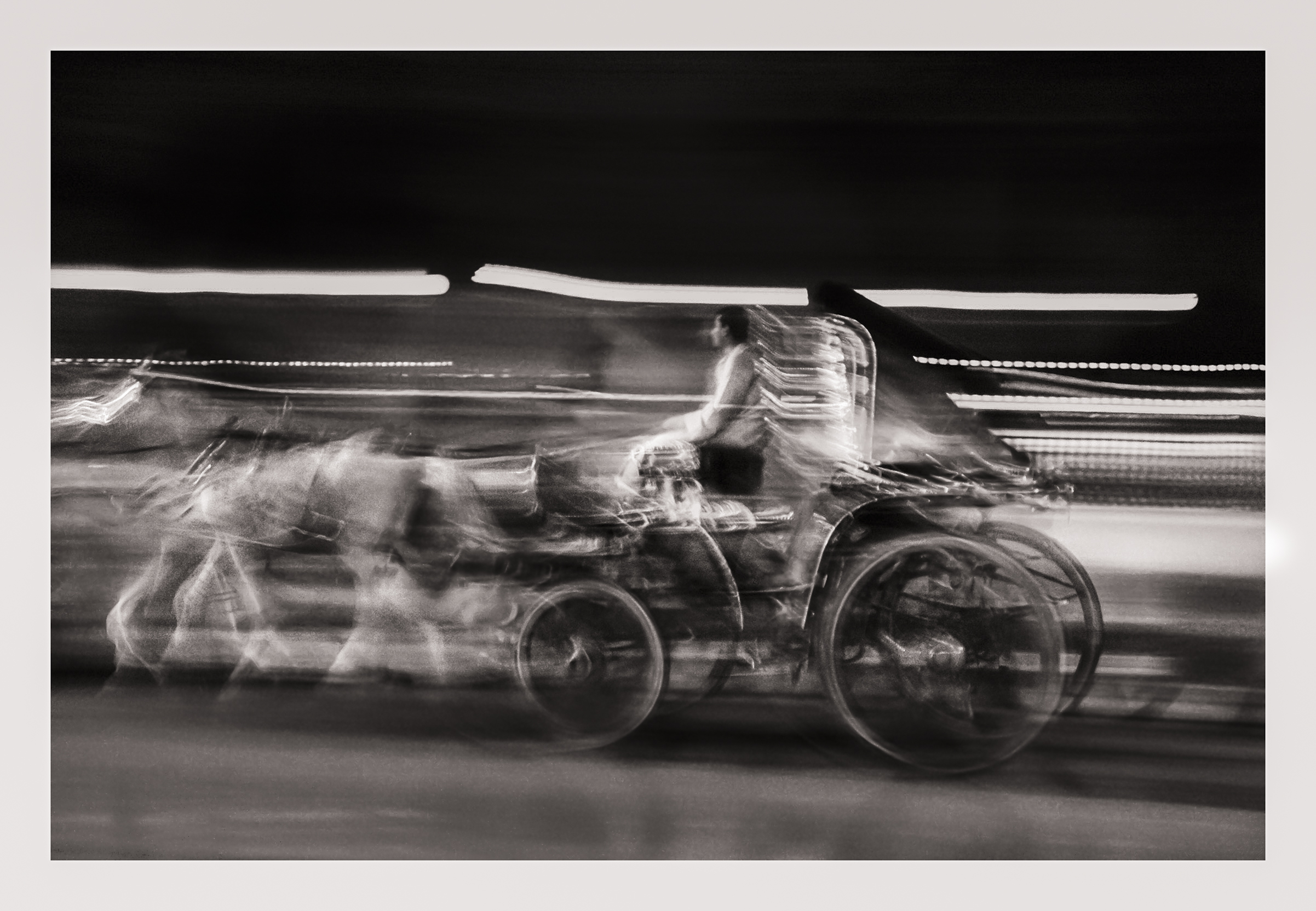
It begins when you hit pavement in Luxor — a city upriver in Egypt on the Nile, and home to the biggest religious complex ever constructed: The Temple of Karnak, a human cultural analog to the Grand Canyon. Many folks live here in poverty hustling for a living, and survive on money extracted from foreign visitors in exchange for doing favors. It could be any conceivable service on offer, for example: showing you around the waterfront, running to get change for you, procuring alcohol or accompanying you down the street to speak to a man who will arrange an itinerary for you. You might want to take a ride. It could be easily fulfilled, guided or unguided with your choice of conveyance among a dazzling variety: a horse-drawn carriage perhaps, or a sailboat, motor boat, taxi, van, on horseback or riding a donkey. Quoted price will not be final price; in conclusion more compensation will be requested — a tip for the driver perhaps, or to pay the kid who helped you mount a camel’s back, or money is suddenly needed for drinks which were supposed to be included with your meal.
You cannot be alone with your thoughts in Luxor without interruption anywhere or at anytime in public. Every temple, monument and museum, ferry dock and bazaar conceals men who step forward with unsolicited information, unwanted assistance for which they expect to be paid. Being in a photograph with a picturesque old man requires baksheesh — a gratuity — which if too small elicits a pout and a shaming look. You cannot use a bathroom anywhere no matter how pressing your need without paying cash. Luxor makes every form of sin available to you as well, in spite of its many mosques and facade of Islamic observance. Wandering around by myself or sitting alone in the square, I am beseeched by a collection of unshaven, oily and unsavory characters; they propose sex with young women (Egyptian massages); sex with boys (Nubian massages); yes, and the salesman could enhance my carnal pleasure with hashish, the best stuff, obtained for a nominal fee.
After a week of abuse you leave amazed, because overall it has been a positive experience. The beauty of the Nile River — and the superhuman achievements of the ancient Egyptians in art and architecture — more than balance out the horrors of what must be world’s foremost tourist trap.